 admin
adminUnderstanding the psychology behind gambling decisions in casinos
The Allure of Gambling: An Introduction
Gambling has fascinated humans for centuries, drawing individuals into its captivating world of chance and fortune. This allure stems from various psychological factors that govern decision-making and risk-taking. Many players are often enticed by the potential for significant wins, even if the odds are heavily stacked against them. The thrill of winning, however small, can trigger a euphoric response, leading to repeated gambling behavior. Online platforms like https://dudespin-me.com/en/ have started to cater to these aspects significantly.

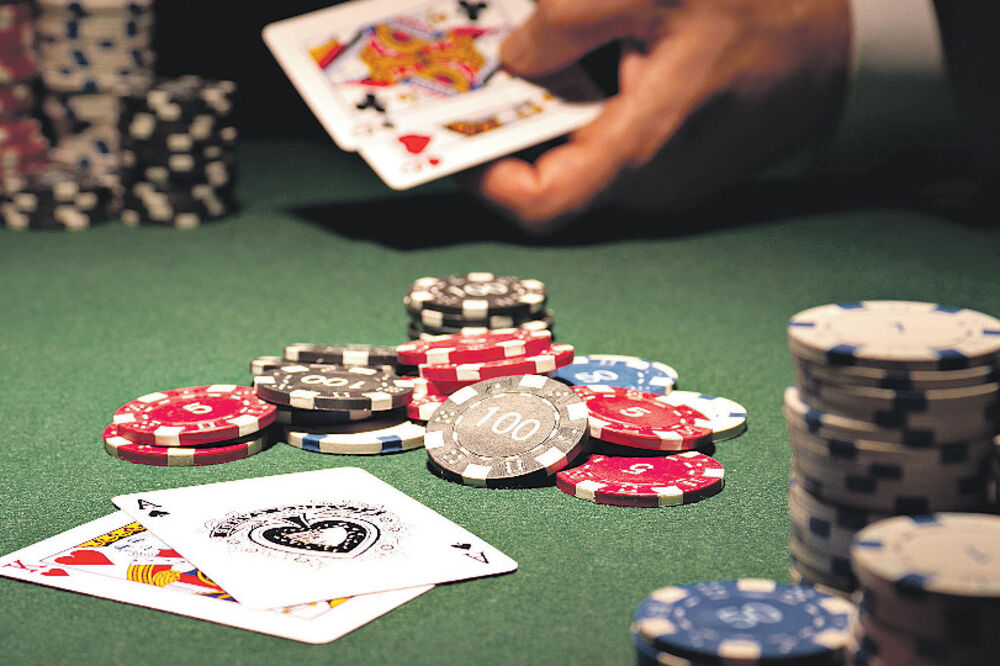
The environment of a casino amplifies these psychological triggers. Bright lights, vibrant colors, and the sounds of clinking coins or spinning wheels create an atmosphere of excitement and anticipation. This sensory stimulation can increase arousal levels, making players more likely to take risks they might avoid in calmer settings. Consequently, the design of casinos capitalizes on these psychological elements, encouraging players to engage more deeply with the games offered.
Moreover, the social aspect of gambling cannot be overlooked. Many people enjoy the camaraderie of being in a casino, surrounded by others who share a similar interest. This social interaction can create a sense of belonging and enhance the emotional experience of gambling, further influencing decision-making. Understanding these dynamics is crucial for grasping why individuals make certain choices while gambling.
The Role of Cognitive Biases in Gambling
Cognitive biases significantly influence how individuals perceive risk and reward in gambling scenarios. One prominent bias is the illusion of control, where players believe they can influence the outcome of games of chance. This misconception often leads individuals to take more significant risks, thinking they possess a skill or strategy that can improve their odds. In reality, most casino games are designed to favor the house, yet this bias can distort players’ perceptions of their chances.
Another common bias is the gambler’s fallacy, where individuals assume that past outcomes affect future probabilities. For instance, a player might believe that after a series of losses, they are ‘due’ for a win, prompting them to continue betting more. This fallacy can result in escalating losses as players chase their perceived luck, making it difficult for them to recognize when to stop. Additionally, Dudespin casino effectively addresses these perceptions with strategic game designs that clarify odds.
Furthermore, the availability heuristic plays a role in how players assess risk. When players hear stories of significant wins, they may believe such outcomes are more common than they are, leading to increased participation in high-stakes games. These cognitive biases can create a cycle of betting that is hard to break, often resulting in financial losses and addiction.
Emotional Factors Driving Gambling Behavior
Emotions play a critical role in gambling decisions, often overshadowing rational thought. Many individuals turn to gambling as a means of escape from stress or negative emotions. The adrenaline rush associated with gambling can temporarily elevate mood and provide a distraction from everyday life. This emotional high can be particularly appealing, encouraging repeat behavior even when the financial consequences are dire.
Moreover, feelings of excitement and anticipation can cloud judgment, leading players to make impulsive decisions. The chase for that elusive big win can create a cycle of hope, reinforcing gambling behavior despite previous losses. This emotional rollercoaster makes it challenging for players to recognize when they should step back, as the highs can overshadow the potential risks.
Lastly, social pressures can amplify emotional influences on gambling behavior. Friends or family who engage in gambling can create a sense of obligation or desire to fit in, often leading individuals to partake in gaming activities they might otherwise avoid. The combination of emotional highs, social influences, and cognitive biases creates a complex web that drives gambling decisions in casinos.
The Impact of Environment and Casino Design
The physical environment of a casino is meticulously designed to enhance the gambling experience. From the layout of the gaming floor to the strategic placement of slot machines, every aspect aims to maximize player engagement. Research shows that players are more likely to gamble longer in spaces that are visually appealing and stimulating. This design is not accidental but a calculated approach to encourage more extended play sessions.
Lighting, sound, and even scent are carefully curated to create an immersive experience. Bright lights and upbeat music can energize players, while soft, ambient sounds may encourage relaxation and prolonged play. This sensory manipulation can make it difficult for players to keep track of time and money spent, leading to increased gambling behavior. The design often blurs the lines between entertainment and financial risk.
Additionally, casinos utilize various promotional strategies, such as free drinks or loyalty programs, to keep players engaged. The more players feel valued or rewarded, the more likely they are to spend time and money within the casino environment. This strategy effectively capitalizes on the psychology of reward and reinforcement, further embedding gambling decisions into players’ routines.
DudeSpin Casino: A Case Study in Online Gambling Psychology
DudeSpin Casino exemplifies how understanding the psychology behind gambling can enhance the online gaming experience. By providing a user-friendly interface and a diverse selection of games, the platform caters to various preferences, ensuring players remain engaged. The casino’s design reflects an understanding of sensory stimulation, incorporating vibrant graphics and engaging gameplay that enhances the emotional and cognitive experience.
The strategic use of bonuses and promotions at Dudespin casino aims to exploit players’ psychological tendencies towards reward-seeking behavior. New players are often welcomed with generous incentives that trigger immediate excitement and engagement. This approach not only attracts new users but also encourages returning players to continue their gambling journey, capitalizing on the thrill of potential wins.
Moreover, Dudespin casino prioritizes user privacy and security, offering players peace of mind while they engage in gaming activities. With 24/7 customer support available, players are assured that their concerns will be addressed promptly, fostering a sense of trust and reliability. In this way, the casino not only acknowledges the psychological aspects of gambling but actively works to enhance the overall user experience through thoughtful design and support.