 admin
adminThe evolution of casinos tracing their historical roots
Ancient Origins of Gambling
The roots of gambling can be traced back to ancient civilizations, where games of chance were often intertwined with religious practices. Archaeological evidence suggests that as early as 3000 BC, ancient Chinese societies used tiles to play games that resemble modern-day gambling. These activities were more than mere entertainment; they were a way to connect with the divine, showcasing the multifaceted role gambling played in early societies.

In ancient Rome, gambling was a popular pastime among all social classes. The Romans introduced various games, including dice and betting on gladiatorial contests. These activities often took place in communal spaces, fostering social interaction while providing an escape from daily life. The acceptance of gambling in such a powerful empire illustrates its enduring allure, leading to a legacy that has evolved into the complex gambling structures we see today. solana crypto casino
The practice of gambling also permeated other cultures, such as the Egyptians, who enjoyed games like Senet. These ancient forms of gambling laid the foundation for future casino establishments, demonstrating that the desire to gamble is a universal human trait. The blend of chance, skill, and socialization has persisted through the centuries, paving the way for more organized forms of gambling in later centuries.
The Rise of Formal Casinos in Europe
The modern casino as we know it began to take shape during the 17th century in Europe. The first official casino, the Casino di Venezia in Italy, opened its doors in 1638, marking a significant turning point in the evolution of gambling. It transformed gambling from clandestine activities in taverns and private homes into a regulated and formalized entertainment option. This not only enhanced the popularity of gambling but also established a legal framework for its operation.
As gambling grew in acceptance, more European countries began to establish their casinos, often located in luxurious settings that catered to the aristocracy. The famous Monte Carlo Casino in Monaco, which opened in 1863, became a symbol of opulence and exclusivity. Such establishments provided high-stakes games and extravagant entertainment, drawing wealthy patrons from around the world. This period solidified the casino’s reputation as a sophisticated social venue.
The evolution of casino gaming during this era also led to the introduction of various games that are still popular today, such as roulette and blackjack. The combination of chance and strategy appealed to a broader audience, making casinos accessible to more than just the elite. The expansion of these gaming options laid the groundwork for the diverse gambling landscape we enjoy in contemporary settings.
The Expansion of Casinos in the Americas
The establishment of casinos in the Americas began in the early 20th century, with Nevada leading the charge in 1931 when it legalized gambling. The opening of the first casino in Las Vegas changed the landscape of gambling forever. With its neon lights and lavish shows, Las Vegas quickly became known as the gambling capital of the world, attracting tourists and gamblers alike. The success of these casinos prompted other states to reconsider their stance on gambling.
During the mid-20th century, the casino industry experienced remarkable growth. As people flocked to Las Vegas for entertainment, other cities began to develop their gaming markets. Atlantic City, New Jersey, legalized gambling in 1976, setting off a new wave of casino development on the East Coast. This expansion allowed for regional gambling hubs, making it more convenient for a wider audience to access casino games.
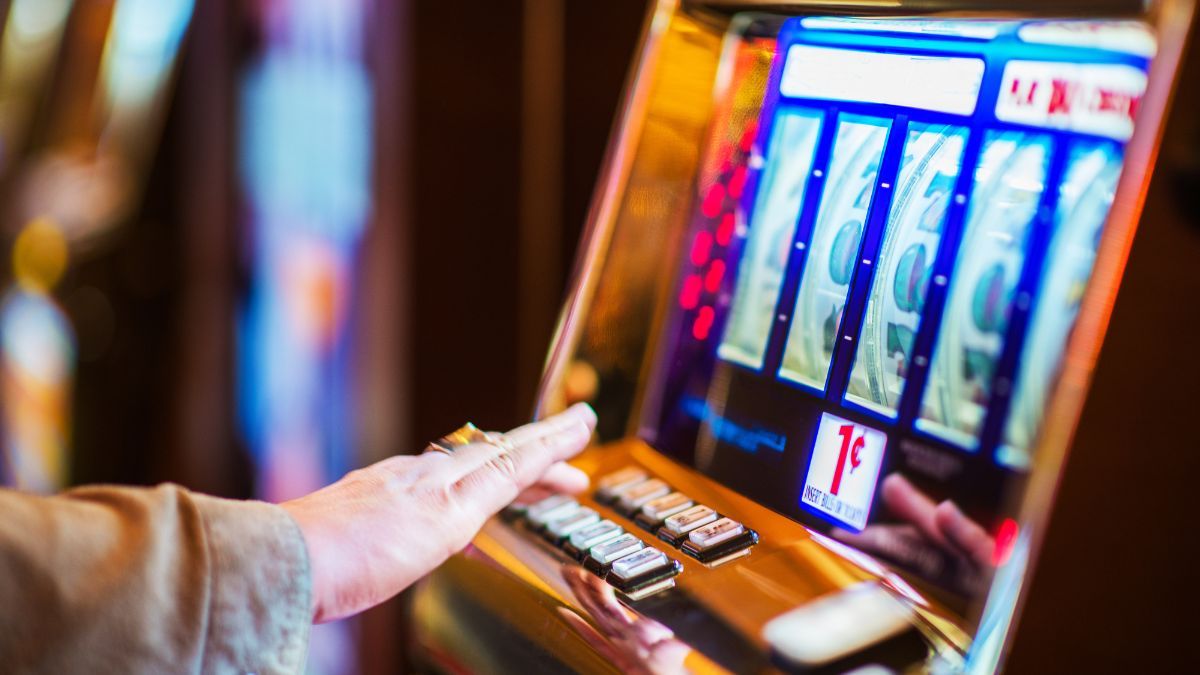
Throughout this period, the casino experience continued to evolve, incorporating advanced technology and increasing the variety of gaming options available. Slot machines, which had become a mainstay in casinos, were continually refined and innovated, attracting even more players. The social aspect of gambling remained crucial, as casinos invested in creating comprehensive entertainment experiences, from dining to live performances, further solidifying their position as premier leisure destinations.
The Digital Age of Gambling
The rise of the internet in the late 20th century marked the next significant phase in the evolution of casinos. The first online casinos emerged in the mid-1990s, allowing players to gamble from the comfort of their homes. This new digital platform opened up a world of possibilities, making gambling accessible to a global audience and diversifying the games offered. Players no longer needed to travel to a physical casino, as online platforms offered everything from poker to slots with just a click.
As technology advanced, so did the online gambling experience. The introduction of mobile gaming further revolutionized the industry, allowing players to gamble on the go. Today, mobile apps provide seamless access to a wide range of games, ensuring that players can enjoy their favorite casino games anytime and anywhere. This evolution has made casinos more inclusive, appealing to a broader demographic that values convenience and accessibility.
Additionally, the advent of cryptocurrency has introduced a new dimension to online gambling. Players can now engage in transactions using digital currencies, enhancing privacy and security. Blockchain technology has also gained traction, offering transparent and efficient operations. As casinos continue to innovate, they are likely to integrate even more advanced technologies, such as virtual reality, which promises to create immersive gaming experiences that blur the line between reality and the digital world.
Discovering Top Solana Casinos
As the casino landscape evolves, new platforms are emerging that harness the power of blockchain technology. provide a modern twist on traditional gambling experiences, offering fast transactions and a secure environment. These platforms accept SOL deposits, catering to a new generation of players who value speed and security in their gaming experiences. By leveraging the benefits of cryptocurrency, these casinos aim to create an unparalleled user experience.
The meticulous review process at ensures that only the best platforms are recommended. Each casino is evaluated based on licensing, game variety, and customer support. This attention to detail guarantees that players have access to high-quality gaming options and can enjoy the latest titles with confidence. Whether you’re a beginner or a seasoned player, these resources help you navigate the ever-changing world of online gambling.
In conclusion, the evolution of casinos has come full circle, from ancient practices to modern digital platforms. With the rise of Solana Casinos and other blockchain-based gaming options, the future of gambling promises to be more innovative and exciting than ever. Players can look forward to a wealth of options that enhance their gaming experience, ensuring that the legacy of casinos continues to thrive in new and dynamic ways.