 admin
adminGambling psychology Understanding the thrill behind the risk
The Allure of Gambling
The allure of gambling is a complex phenomenon driven by both psychological and sociocultural factors. Many individuals are drawn to the excitement of potentially winning money, which can trigger the release of dopamine in the brain. This chemical reaction not only creates feelings of pleasure but also reinforces the behavior, making individuals more likely to gamble again. Interestingly, this experience can be enhanced by resources available at https://1xbet-somalia.app/, where users can easily access a variety of gambling options. The anticipation of a win, combined with the thrill of uncertainty, can make gambling an exhilarating experience that is hard to resist.

Moreover, the environment in which gambling takes place often enhances this allure. Casinos, for example, are designed to create a sensory-rich experience with bright lights, enticing sounds, and a bustling atmosphere. This carefully crafted setting serves to heighten emotions and immerse players in a world where anything seems possible. This sensory engagement encourages gamblers to stay longer, increasing their chances of betting more money, all in pursuit of that elusive jackpot.
Cultural influences also play a significant role in the allure of gambling. In many societies, gambling is seen as a rite of passage or a shared social activity. Events such as poker nights or casino outings can foster community bonds, making the experience more enjoyable and memorable. This social component amplifies the thrill, as individuals find themselves caught up in the excitement and camaraderie that gambling can provide.
The Psychology of Risk
Understanding the psychology of risk is crucial in deciphering why people engage in gambling behavior. Many individuals possess a natural attraction to risk, often viewing it as a challenge to be conquered. This desire for risk-taking can stem from various factors, including personality traits like openness to experience and sensation-seeking. Gamblers often feel alive when they take risks, leading to a pursuit of these high-stakes situations in hopes of achieving the thrill they crave.
The concept of loss aversion also plays a significant role in the psychology of gambling. Research indicates that individuals are more motivated to avoid losses than to acquire gains. This means that the potential for losing money can create a powerful emotional response, driving people to continue betting in hopes of recouping their losses. This irrational behavior can lead to a vicious cycle, where the quest to eliminate losses fuels further gambling activities, often resulting in greater financial harm.
Finally, cognitive biases, such as the illusion of control and the gambler’s fallacy, significantly influence gambling decisions. Many gamblers believe they can control random outcomes through skill or strategy, leading them to take undue risks. Furthermore, the gambler’s fallacy—the belief that past outcomes influence future events—can lead individuals to make poor betting choices. These cognitive distortions showcase the intricate psychological mechanisms that underpin gambling behavior, making it an endlessly fascinating subject for both researchers and enthusiasts alike.
The Role of Emotion in Gambling
Emotions significantly impact gambling behavior, with both positive and negative feelings influencing decision-making processes. The thrill of winning can evoke joy and euphoria, while the disappointment of losing can lead to frustration and sadness. This emotional rollercoaster is a defining feature of gambling, and it can affect how individuals perceive their experiences. Gamblers often remember their wins more vividly than their losses, creating a skewed perception that may encourage continued play despite negative outcomes.
Additionally, the interplay between emotion and cognition is crucial in understanding why individuals gamble. Emotional responses can cloud judgment, leading to impulsive decisions that prioritize short-term gratification over long-term consequences. When gamblers are in a heightened emotional state—whether excited or distressed—they may be less inclined to assess risks rationally. This emotional decision-making can result in significant financial repercussions, underscoring the importance of understanding the emotional aspects of gambling psychology.
Furthermore, the use of gambling as an emotional escape is common among individuals facing stress or life challenges. Many people turn to gambling as a means to alleviate boredom, anxiety, or depression, seeking a temporary distraction from their problems. However, this coping mechanism can backfire, as it often leads to increased stress and potential addiction, creating a cycle that is hard to break. Recognizing the role of emotions in gambling can be pivotal for both gamblers and professionals in the field, allowing for better support and intervention strategies.
The Social Environment of Gambling
The social environment surrounding gambling can significantly amplify the thrill associated with the activity. Gamblers often find themselves in communal spaces, such as casinos or online gaming platforms, where interaction with others can enhance the overall experience. This social aspect can make gambling more exciting, as players cheer one another on, share stories, or celebrate wins together. The collective energy in such environments can create a sense of belonging, further driving individuals to partake in gambling.
Moreover, peer influence plays a critical role in gambling behavior. Friends or family members who gamble may unknowingly encourage others to join in, fostering a shared experience that normalizes the activity. Group dynamics can lead to heightened excitement as individuals feel more inclined to take risks when surrounded by others. This social pressure can cause individuals to gamble beyond their means, often leading to financial instability and emotional distress.
Additionally, the rise of online gambling has transformed the social landscape. Virtual platforms allow players to connect with others across the globe, fostering communities that share tips, strategies, and experiences. While this can be empowering, it can also amplify the thrill of gambling as players feel more connected to a larger narrative. Understanding the social environment of gambling is essential for grasping the full scope of its psychological impact, helping us navigate the complexities of human behavior in this context.
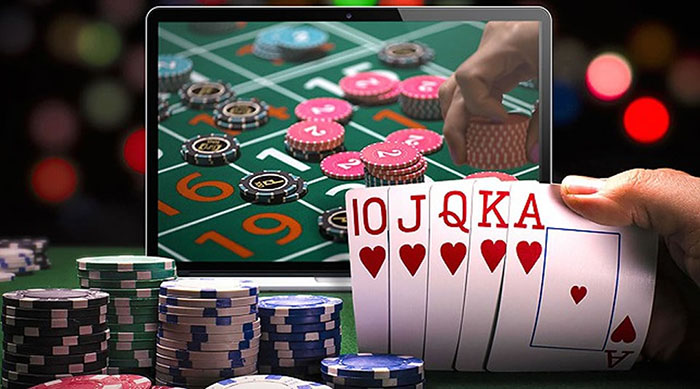
Exploring Gambling Psychology with Us
Our website aims to delve deeper into the fascinating realm of gambling psychology, offering insights and resources that help individuals understand the complexities behind their behaviors. Whether you are a casual gambler or seeking to understand the psychological underpinnings of risk-taking, our platform provides valuable information tailored to your needs. We explore various aspects of gambling—from its emotional impacts to the social influences that shape our experiences.
We also offer expert opinions, articles, and research findings that highlight the latest trends and studies in the field of gambling psychology. Our goal is to foster informed discussions and provide support for individuals seeking to better understand their relationship with gambling. Join us as we navigate the intricate world of risk, reward, and the thrill that defines gambling for so many people.